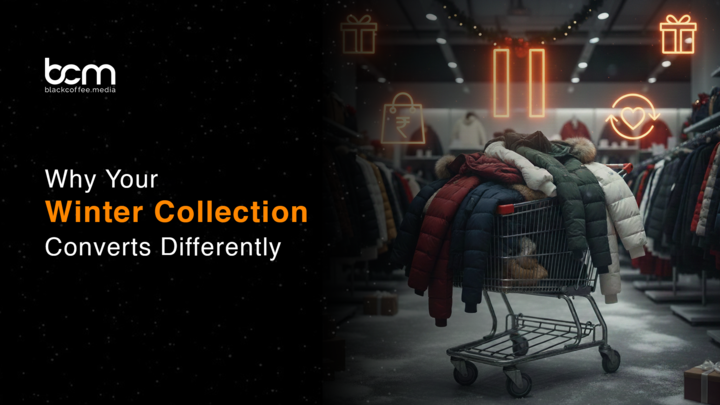
Winter collections present a strange contradiction: customers spend more per purchase, yet hesitate longer before buying. A coat generates 3x the revenue of a summer dress, but sits in twice as many abandoned carts.
The culprit here, is not your pricing or product quality. It’s psychology.
The Cost-Per-Wear Calculation
When someone buys a ₹3,000 dress, they imagine wearing it year-round. A ₹9,000 jacket? That’s three months of use, maybe four. The subconscious math doesn’t add up favorably, even when the jacket is objectively worth it.
Smart brands reframe this. Instead of highlighting features, they emphasize durability: “Three winters and counting” testimonials, material longevity, timeless design that transcends trends.
You’re not selling a jacket – you’re selling a multi-year investment.
The Layering Problem
Winter wear introduces a variable summer collections don’t face: fit uncertainty.
Will this coat accommodate a chunky sweater? Does “relaxed fit” mean oversized or just comfortable?
Generic size charts don’t cut it here.
Winter collections demand specific guidance – measurements that account for layering, styling videos showing the product over different outfits, and return policies that remove purchase anxiety.
The Fix Isn’t Discounting
When conversions drop, the instinct is to slash prices.
But winter buyers aren’t price-sensitive, they’re confidence-sensitive. They need proof that this purchase makes sense.
What actually works:
- Show products layered in real contexts, not isolated on white backgrounds
- Bundle complementary pieces to increase perceived value while reducing individual item scrutiny
- Lean into user-generated content showing the same coat across multiple seasons
The Insight
Lower conversion rates are a signal. Winter buyers take longer because they’re more invested. That extended consideration window is an opportunity to build trust, not rush the sale.